What to Prepare Before Hiring a Web Designer
A little preparation makes a website project faster, cheaper and better. Here is what to gather before you talk to a web designer, and what you do not need to have figured out.
Before hiring a web designer, gather four things: what you want the website to do, who it is for, the content you already have, and access to your domain and current site. You do not need a finished plan or a design in mind. You need enough clarity that the designer can quote accurately and start without weeks of back and forth.
The actual problem
Most website projects that run late do not run late because of design. They run late waiting on content: the photos that were going to be taken, the service descriptions nobody has written, the login to a domain registered years ago by someone who no longer works there. Every week spent waiting is a week the new site is not working for you.
Preparation also changes the quote. A designer who knows what you need can price the real project. One who has to guess will either pad the estimate or come back later with changes.
What to prepare
Your goals, in plain language
What should the website do for the business? “Get more calls for water heater repair” or “make it easier to book a grazing table” is far more useful than “look more modern.” If you can, rank your goals, because they will compete for space on the page.
Who your customers are
Who usually hires you, what they are worried about when they find you and what they ask on the first call. Those questions become the structure of your website.
The content you have
- A list of your services, even a rough one
- Photos of your work, your team or your space
- Reviews and testimonials
- Your logo files and any brand colors or fonts
- Licenses, certifications and years in business
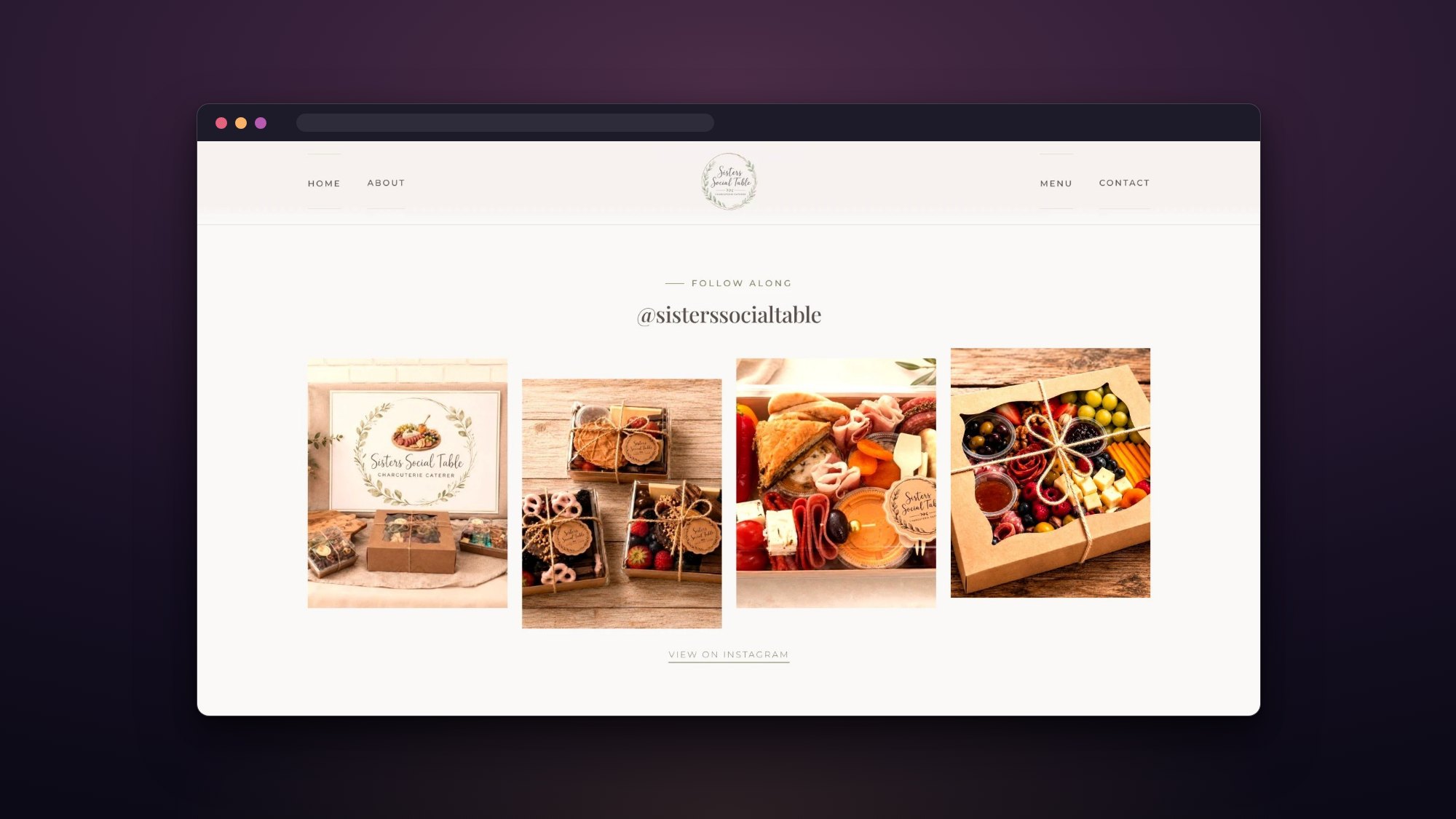
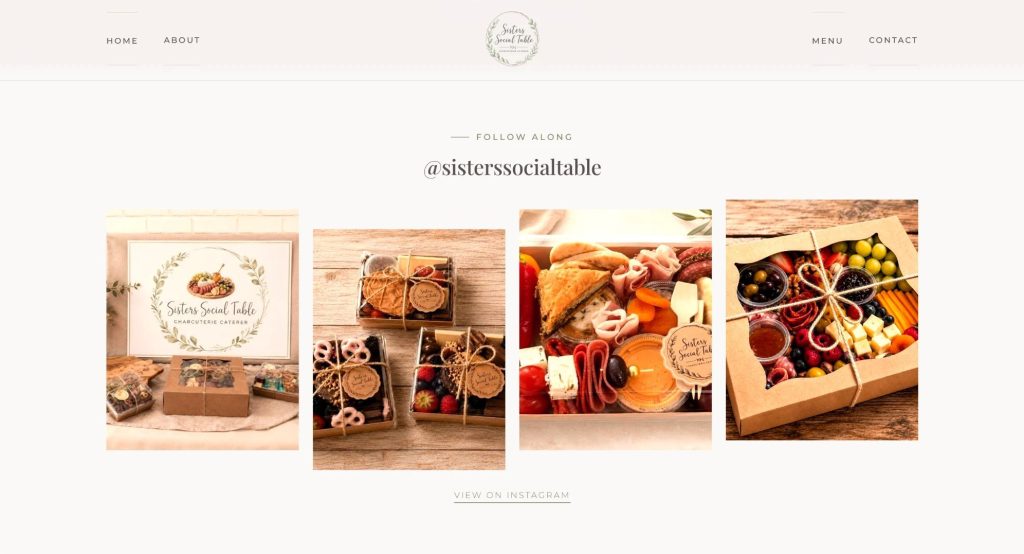
Real photos matter more than almost anything else. The Sisters Social Table website works because it leads with their own food photography, and no stock photo could have done that job.
Access
Find out who controls your domain name, your hosting and your current website, and make sure you can log in to each. Lost access is one of the most common reasons a launch slips.
Every week spent waiting is a week the new site is not working for you.
A budget range and a timeline
You do not need an exact number. A range lets the designer recommend what will make the biggest difference for what you can spend, instead of quoting everything and leaving you to cut.
Sites you like, and why
Two or three websites you like, from any industry, with a sentence about what you like about each. “The menu is easy” helps more than “it looks clean.”
What you do not need
You do not need to know which platform to use, how many pages you need or what the design should look like. Those are the designer’s job to recommend. You also do not need finished copy, as long as you can answer questions about your business. A good designer can shape the words from a conversation.
Common mistakes
- Starting with the look instead of the goal. Colors and layouts are easier to talk about, but the goal decides whether the site works.
- Waiting to gather photos until the end. Photography is often the longest lead time in the whole project.
- Having too many decision-makers. Pick one person who gives feedback and makes the final call.
- Leaving tracking until after launch. Decide early how you will know whether the site is working, so calls and forms can be tracked from day one.
What this means for your business
An hour of preparation can save weeks of project time. Gather what you have, note what is missing and bring both to the first conversation. If you are not sure what your site should include, start with what a small business website should actually include.
When you are ready, here is how web design works at Duskwork. Or start a project and bring whatever you have so far. Gaps are normal, and figuring them out is part of the work.
more from the journal
What Should a Small Business Website Actually Include?
Fewer pages than you think, and more clarity than most sites have. Here is what a small business website needs before anything else, and what can wait.
When Is It Time to Redesign Your Website?
Age alone is not a reason to redesign. These are the signs that your website is actually costing you business, and the problems a new design will not fix on its own.
Logo Design vs. Brand Identity: What’s the Difference?
A logo is one mark. A brand identity is the system that makes everything you put out look like it came from the same business. Here is the difference, and when each one is enough.